It’s July, and it has been a month since the opening whistle of this year’s World Cup. We are now at the semi-finals. Looking back, my relationship with the tournament had always been fairly low-key. It was something I rarely gave much thought to, usually spent with my family gathered around the television rooting for the underdogs. Supporting the underdog was simply a family tradition. I was the quintessential once-every-four-years football spectator.
I had never really considered the sheer scale of the spectacle surrounding the tournament. But this time, something shifted.
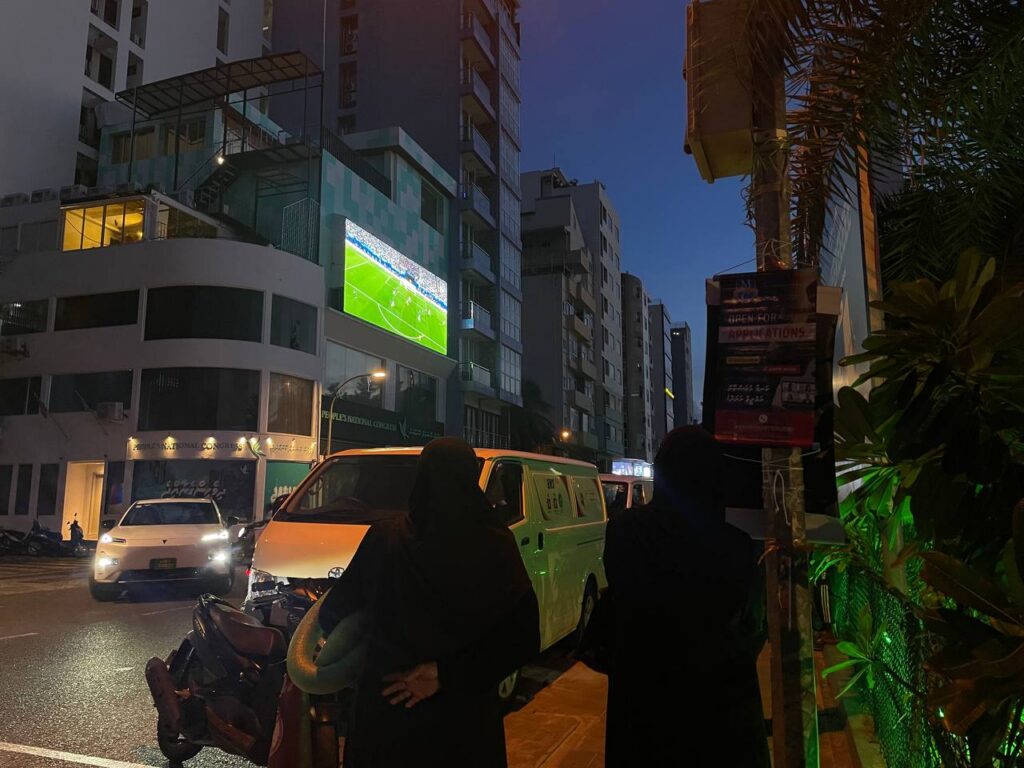
This year, I found myself paying just as much attention to everything happening off the pitch as I did to the matches themselves.
Being based in the Maldives, watching the country throw itself headfirst into World Cup fever through the lens of fashion and culture has been unexpectedly fascinating. I recently wrote about the festive atmosphere the tournament creates here, and what it feels like to experience the World Cup as a Maldivian from a country that has never qualified for football’s biggest stage.
The more I observed, the more I realised there is so much happening beneath the surface. What begins as borrowed fandom for a sport quickly opens the door to conversations about consumerism, identity, belonging and subculture. These are some of the things I found myself noticing.
Instant Gratification – The Marshmallow Test Still Reflects the Times We Live In
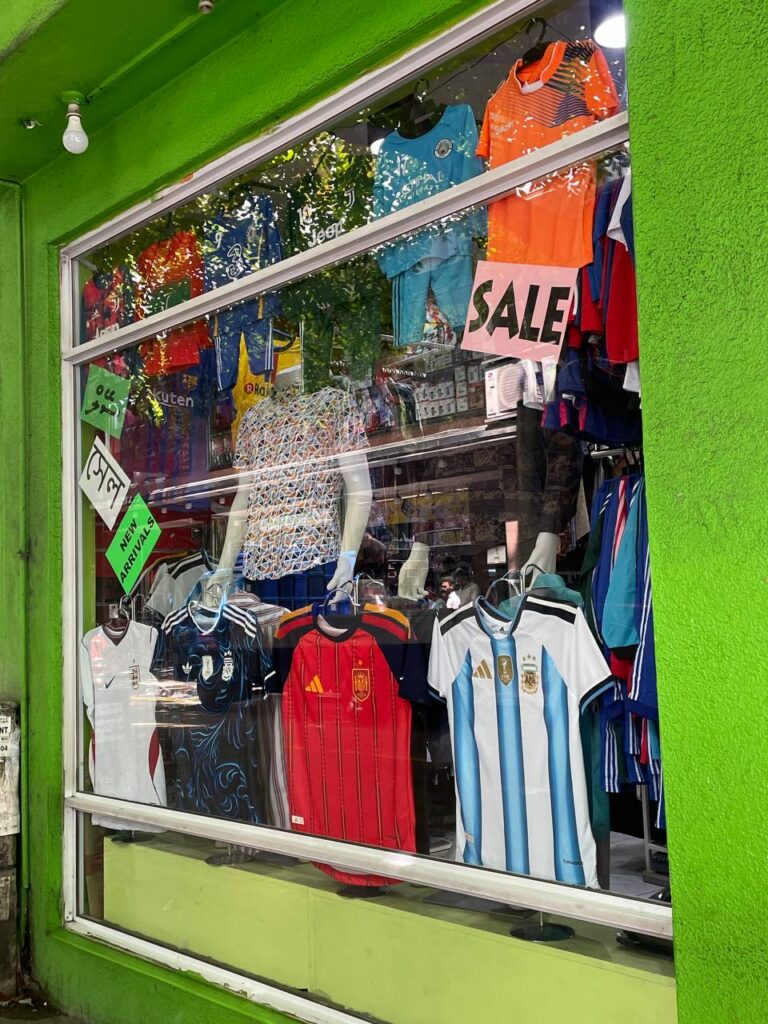
Every four years, the Maldives slips into a festive mood. Flags of competing nations drape café walls and line the roads. Along Majeedhee Magu and the narrow streets of Malé, shopfronts are filled with jerseys from Brazil, Argentina, Spain, Portugal and England. Curiously, they are almost always the jerseys of the cliché favourites, or at least the teams expected to go far.
Running errands or taking my evening rides around the city became an exercise in people-watching. Couples sped through the streets on motorbikes, rushing to catch the night’s match, dressed in matching Spain shirts, or with one proudly wearing France while the other represented England. Toddlers, no older than two, perched on their parents’ laps in tiny football jerseys, blissfully unaware that they had become their parents’ newest team mascot.
Groups of Bangladeshi friends or workmates wandered through the afternoon heat in Argentina shirts with unmistakable pride. Everywhere I looked, the tournament had found another way to manifest itself.
Restaurants introduced World Cup-themed bingsu bowls. Instagram and Facebook feeds filled with cakes decorated in the flags of Brazil, Spain and Argentina, ready to be ordered for match-night celebrations.
But nothing fascinated me quite as much as the football jersey-inspired abayas that some businesses began promoting online.
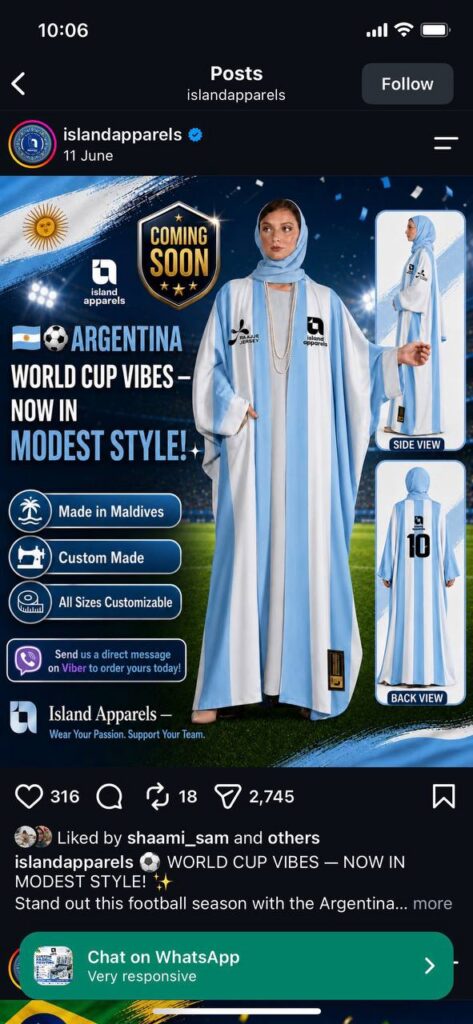
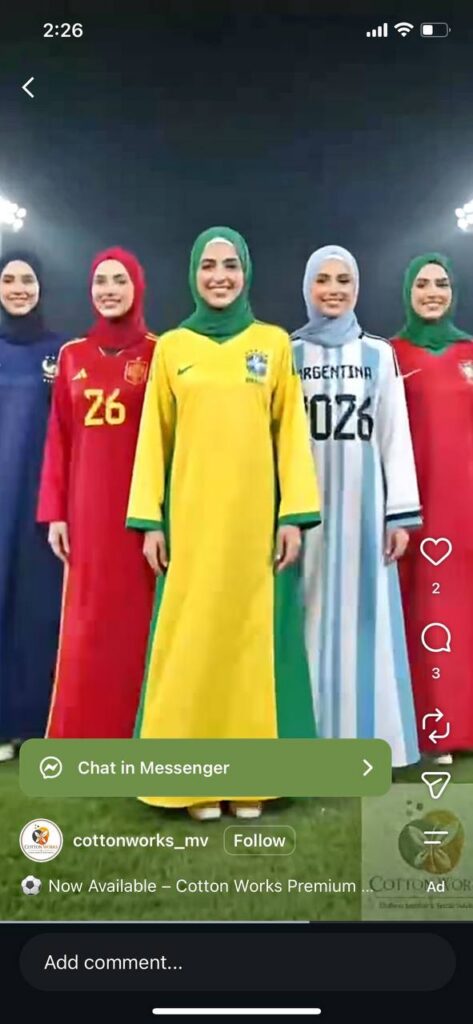
They were essentially football shirts elongated into the silhouette of an abaya, available in the colours of Brazil, Argentina, Spain, Portugal – virtually whichever nation you happened to support. It was one of those products that made me stop scrolling, somewhere between fascination and bewilderment.
I found myself wondering, quite genuinely, whether anyone actually bought one.
From that point onwards, every time I found myself in the city, I instinctively scanned the crowds, half expecting to spot one. So far, I haven’t.
A week ago, I was out with one of my colleagues, a photographer. He casually mentioned that he wasn’t really a football fan. I gave him a suspicious look – I didn’t quite believe him – but let him continue.
“I bought this England jersey,” he said. “I’ve never bought a team jersey before, but this time I’m supporting England.” (He would later swap it for a France jersey ahead of the semi-final, only for the team to lose – much to his dismay).
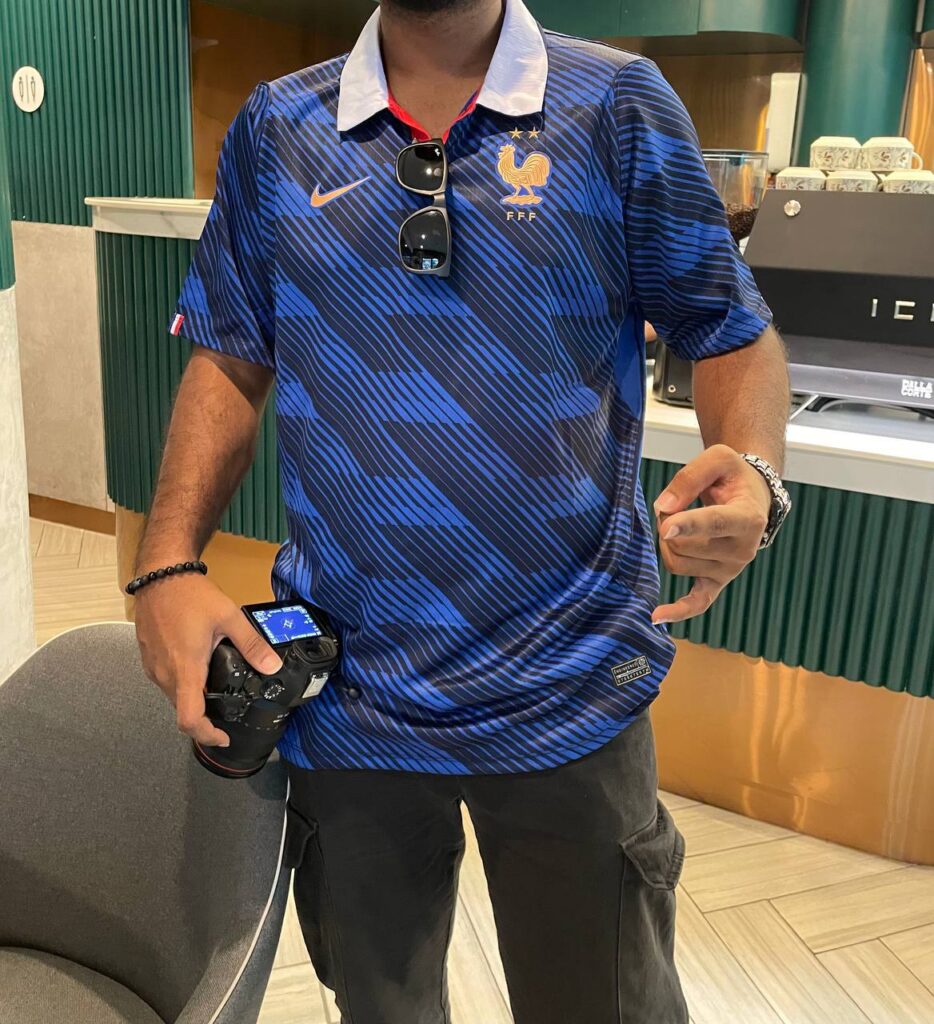
England were playing Congo that evening. As soon as England scored, he proudly updated his Instagram Stories.
And that got me thinking.
Of course, there are lifelong football supporters who live and breathe the sport. But many of us are seasonal spectators. Every four years we borrow a flag for ninety minutes. We cheer, swear at referees, predict impossible scorelines and celebrate victories as though our own nation has won.
That borrowed identity has become incredibly profitable.
Since the tournament began, there seems to be a new World Cup-themed product appearing almost weekly. Jerseys line the shops along Majeedhee Magu, ranging from around MVR 150 to MVR 275. They are inexpensive, but judging by the seams and the fabric, probably never intended to last much beyond the tournament itself.
Cross the road to the Nike store, however, and authentic team jerseys cost around MVR 2,850. Several online sportswear retailers advertise “premium” World Cup collections for roughly MVR 2,250 a shirt.
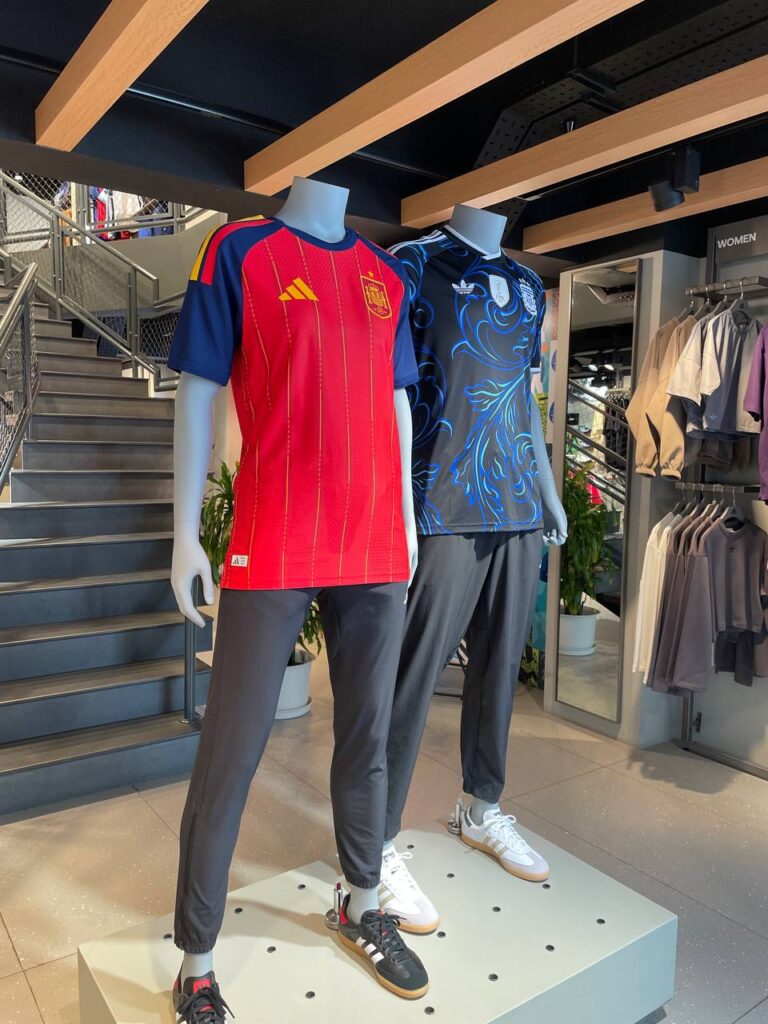
Somewhere between MVR 150 and MVR 2,850, people are making remarkably similar purchases.
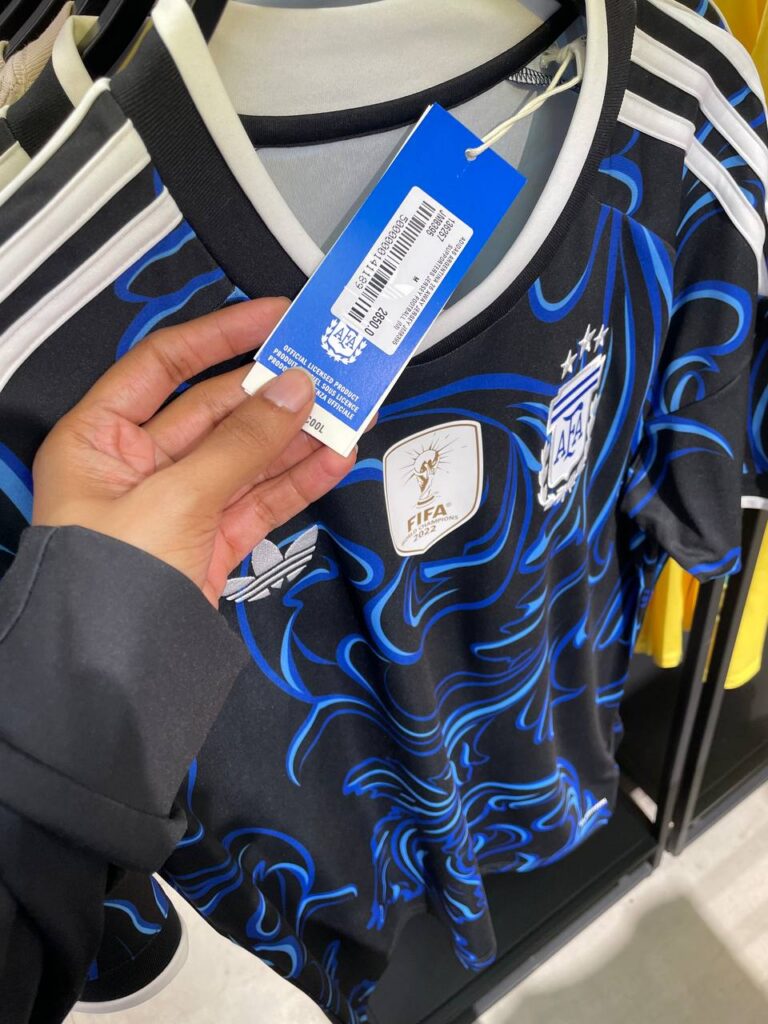
Whether the jersey is authentic or an exceptionally convincing imitation almost seems beside the point. The more interesting question is: how many of these jerseys will still be worn once the tournament is over?
Many will probably spend the next four years folded away in wardrobes, perhaps never to emerge again, especially if allegiances shift before the next World Cup. Others will be repurposed, passed on or donated. But many will ultimately end up in landfill, another reminder of fashion’s cycle of overconsumption and the ever-growing mountain of textile waste it leaves behind. Whether we repurpose them or discard them after a handful of wears, clothing almost always reaches the same destination eventually. The difference is simply how long it takes to get there.
And another thing that strikes me as particularly interesting is the current economic climate. Only last month, the Maldives once again ranked as the most expensive country to live in within South Asia. Yet people continue spending their hard-earned money on products tied to a tournament that lasts little more than a month, many of them bought as much for Instagram posts as for the football itself.
It reminds me of the Stanford Marshmallow Test – the famous experiment about delaying gratification. Sometimes I wonder what the results would look like if it were repeated in the Maldives during the World Cup.
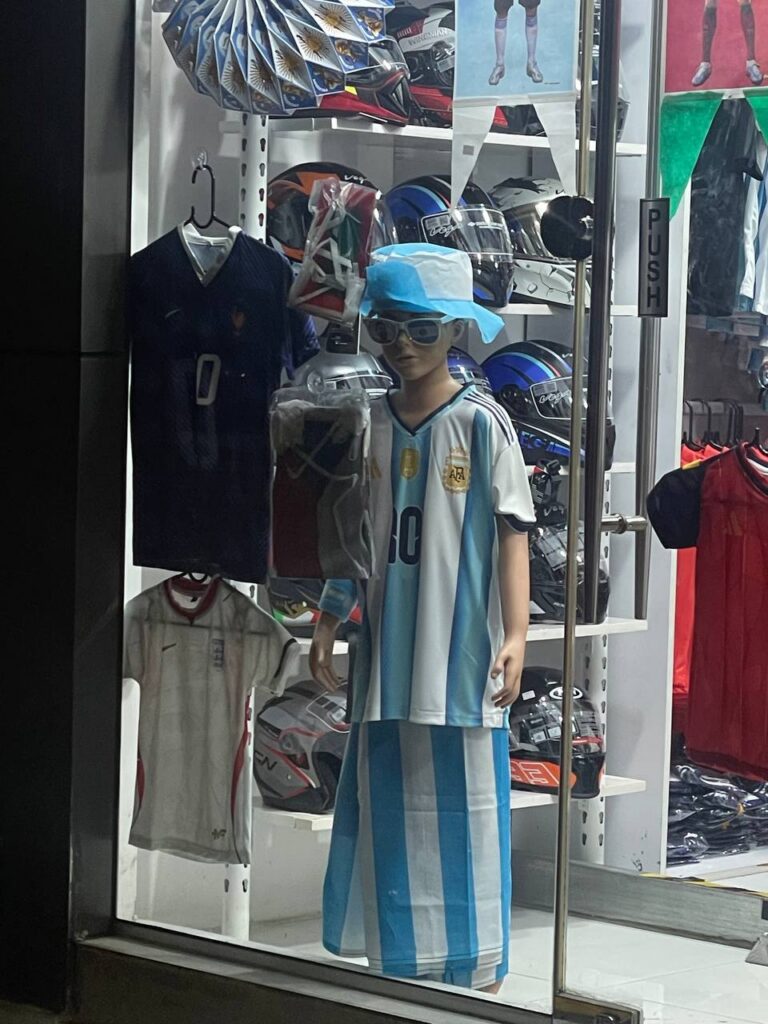
Why do we continue spending so freely during periods of economic uncertainty?
When I mentioned these observations to my brother, he offered an interesting perspective.
“You know proxy fandom is most visible in countries where people are looking for an escape,” he said. “Look at much of South Asia. Places like Bangladesh or the Maldives become incredibly passionate during tournaments like this.”
Whether or not that’s entirely true, I found the idea thought-provoking. For many, these tournaments offer more than football. They provide a temporary escape from everyday pressures – a month where conversations shift from rising prices and daily struggles to line-ups, penalties and last-minute winners.
The Maldives may be internationally recognised for luxury resorts, overwater villas and underwater restaurants, but those images often sit far removed from the everyday lives of ordinary Maldivians. Tourism has been the country’s economic backbone for more than five decades, yet many people still feel disconnected from the prosperity it projects abroad.
Perhaps that is part of why events like the World Cup resonate so deeply.
Wherever I look – whether walking through the streets of Malé or scrolling through social media – the message is the same: buy the jersey, buy the cake, buy the flag, buy the experience.
And, almost without realising it, many of us do.
Fashion and Identity
Clothing has always been more psychological than we give it credit for.
Dressing to reflect how you currently feel allows you to embrace the moment. Dressing for how you want to feel, on the other hand, can shift your mood entirely.
Football jerseys do exactly that.
By pulling on a Spain shirt or an Argentina jersey, we’re signalling to complete strangers that we’re on the same side. It is tribal in the oldest sense of the word. Long before social media, clothing has always communicated identity and belonging.
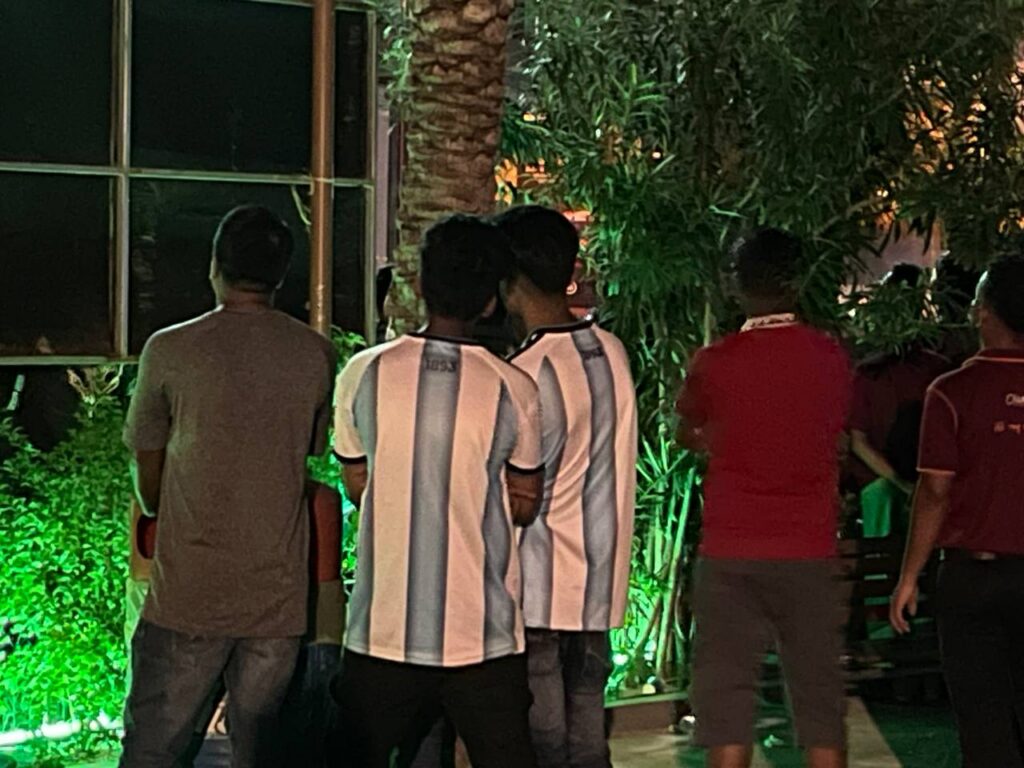
Perhaps that is why jerseys are so effective. They give us a small sense of certainty in an otherwise uncertain world. They offer what psychologists sometimes call “micro-joys” – tiny moments of pleasure and control that make everyday life feel just a little brighter.
So yes, many of us respond to clever marketing because, consciously or otherwise, we want to belong to something bigger than ourselves.
Our country has never played at a World Cup. Yet for a month, our emotions become tied to Spain, Argentina, England or Brazil. We celebrate their victories, mourn their defeats and speak as though we have inherited decades of football history alongside them.
Choosing an identity, even temporarily, is part of the experience.
So, if you’ve spent over MVR 2,000 on a jersey, I genuinely hope you’ll continue wearing it long after the tournament ends. Jerseys are surprisingly versatile. If you’re into streetwear, they fit effortlessly into an everyday wardrobe.
But even if it never leaves your wardrobe again after the final whistle, perhaps that purchase still served a purpose.
For a few weeks it gave you excitement, pride, memories and, inevitably, a collection of digital footprints documenting them all.
That, increasingly, is how fashion works.
How Bloke Core and Appropriation Fit Into This
Back in 2024, Bloke Core resurfaced as one of fashion’s biggest trends. Football-inspired dressing, of course, had existed long before TikTok, Pinterest boards or GRWM videos. Fans had been wearing their clubs and national shirts since the 1970s.
Bloke Core simply repackaged that aesthetic for a wider audience, blending vintage football shirts with contemporary streetwear. Despite its name, it was never confined to one gender.
I embraced it myself.
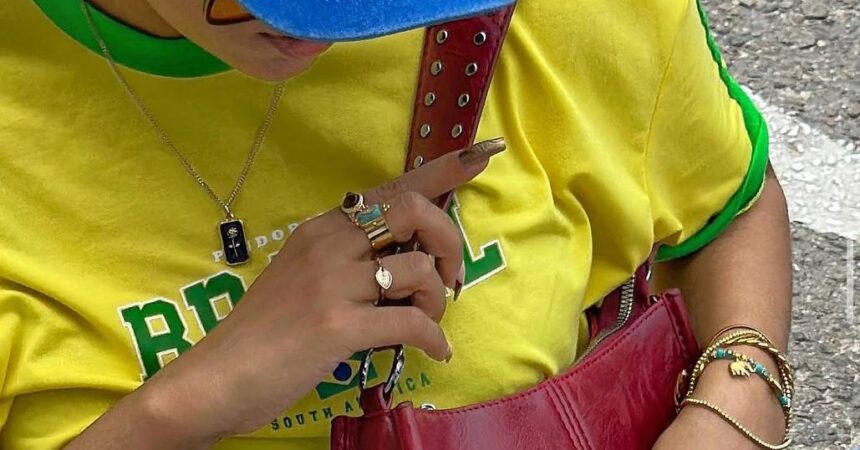
In 2024, I wore a bright yellow Brazil shirt – bought off Shein. The following year, it was a green Mexico shirt. I styled them because they looked good.
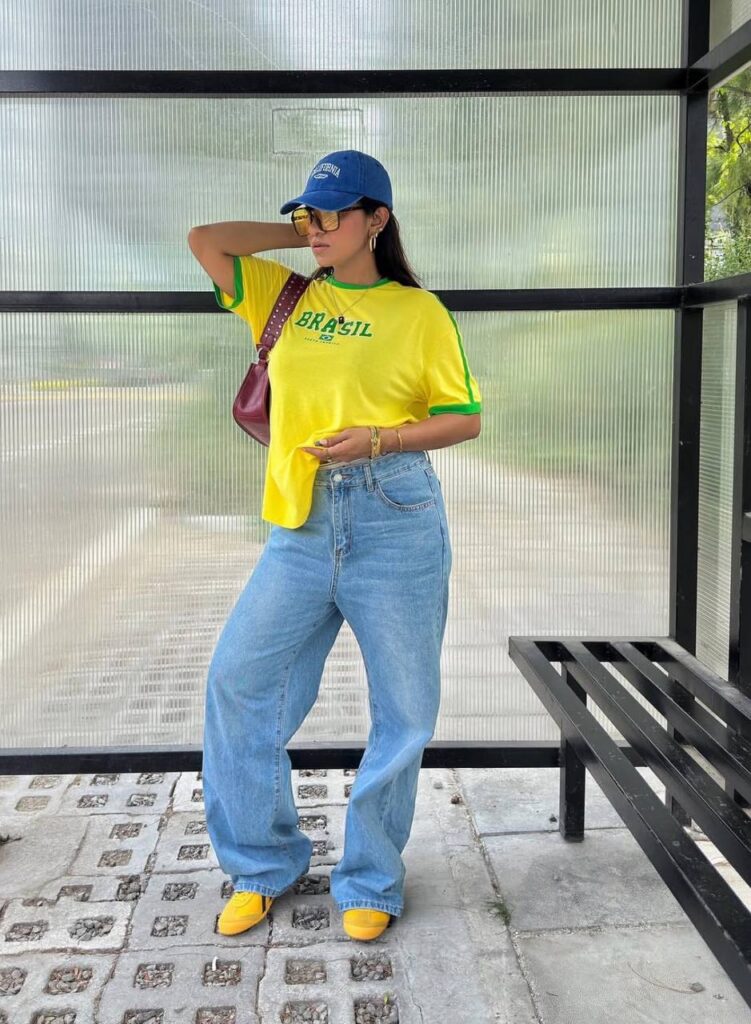
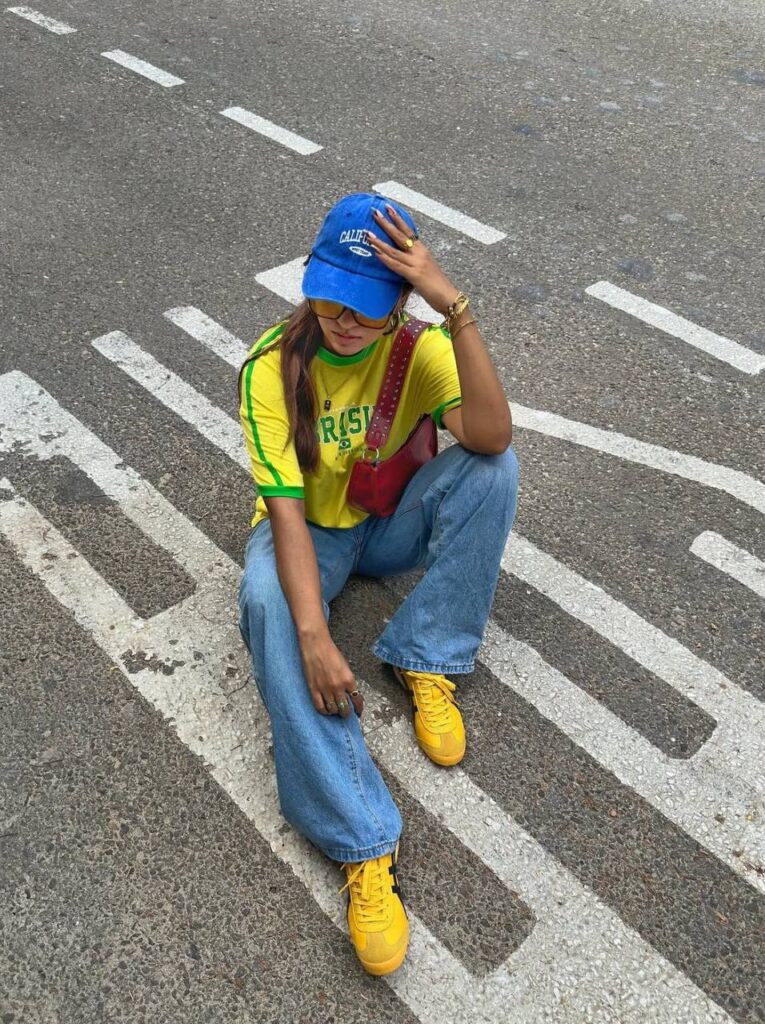
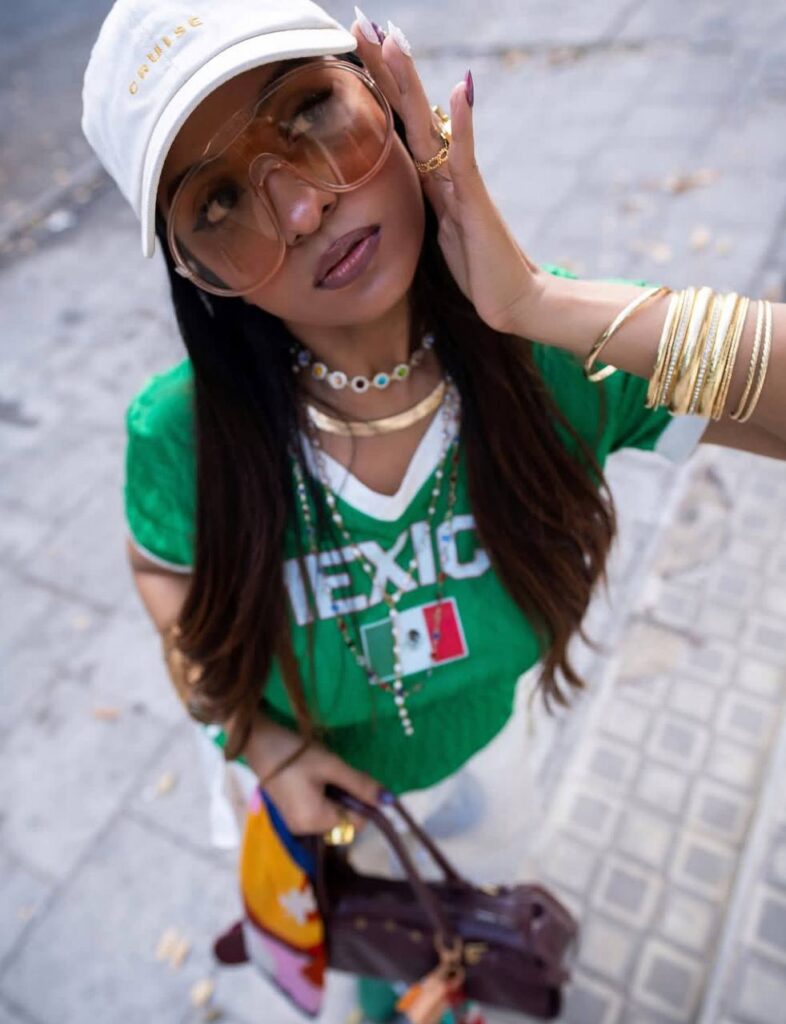
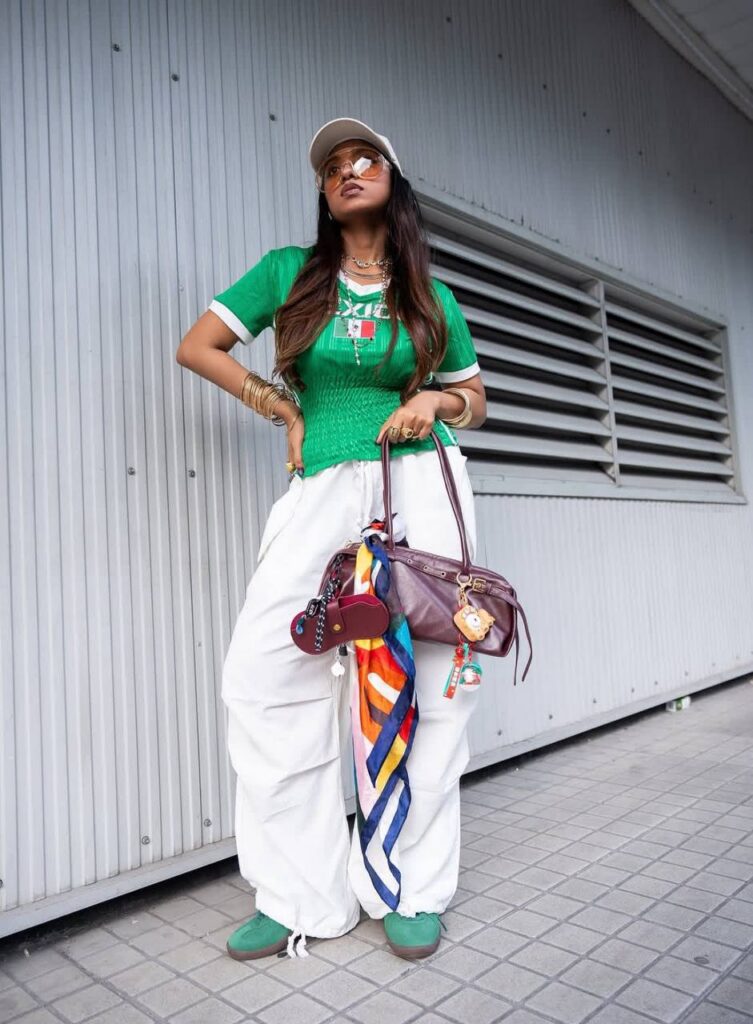
Looking back, though, it feels strangely performative.
I didn’t play football, don’t follow the leagues. I wasn’t Brazilian nor was I familiar with Brazil’s footballing history, politics or culture. Yet there I was, wearing one of its most recognisable national symbols because it felt ‘cool’ and suited the aesthetic I was chasing.
In hindsight it felt a little like LARPing.
That is the fascinating contradiction of global fashion.
Items that carry deep cultural meaning within their countries of origin eventually become detached from those contexts and circulate as trends. Football jerseys are one example. The kimono is another. A kimono is far more than simply a robe; every fabric, stitch, motif and colour carries meaning shaped by centuries of tradition. Yet outside Japan it is often reduced to an aesthetic object.
Football jerseys can undergo a similar transformation.
It is worth remembering that, for many people, they were never just jerseys to begin with. A Brazil shirt, for example, is not merely sportswear. For many Brazilians, it represents national pride, collective memory and decades of footballing history. It carries stories of communities where football is far more than a pastime or a luxury sport. In many neighbourhoods and favelas, the game has long been shaped by limited infrastructure and economic hardship, giving rise to distinctive styles of play, creativity and resilience. For countless young players, football has also represented a pathway to opportunities that might otherwise have been out of reach. In that context, the jersey becomes much more than a piece of clothing – it embodies identity, aspiration and lived experience.
Once removed from the cultures that produced them and repackaged as globally marketable products, much of their original context is inevitably lost. To someone wearing it simply because it looks good, it may well be “just a f*cking jersey”. To someone else, it represents a nation’s history, pride and the communities that shaped it.
Perhaps that is the paradox of the modern football jersey. It is at once a cultural artefact, a commercial product and a fashion statement. It is manufactured, marketed and sold across the world, generating enormous profits for brands and football associations, while also remaining a powerful symbol of belonging for the people who wear it with pride. Whether it is “just a jersey” depends entirely on who is wearing it and what it represents to them.